

Clinical Insights
Evidence-based articles for POCUS practitioners. Clinical guides, buying advice, and honest comparisons.

The True Cost of POCUS: A ZAR Pricing Guide for South African Clinicians
Transparent ZAR pricing for wireless POCUS devices in SA. Compare Ultrascan (R70K-R80K) vs Butterfly (R80K+) vs Clarius (R60K+). Total cost of ownership, financing, and ROI for private practice.
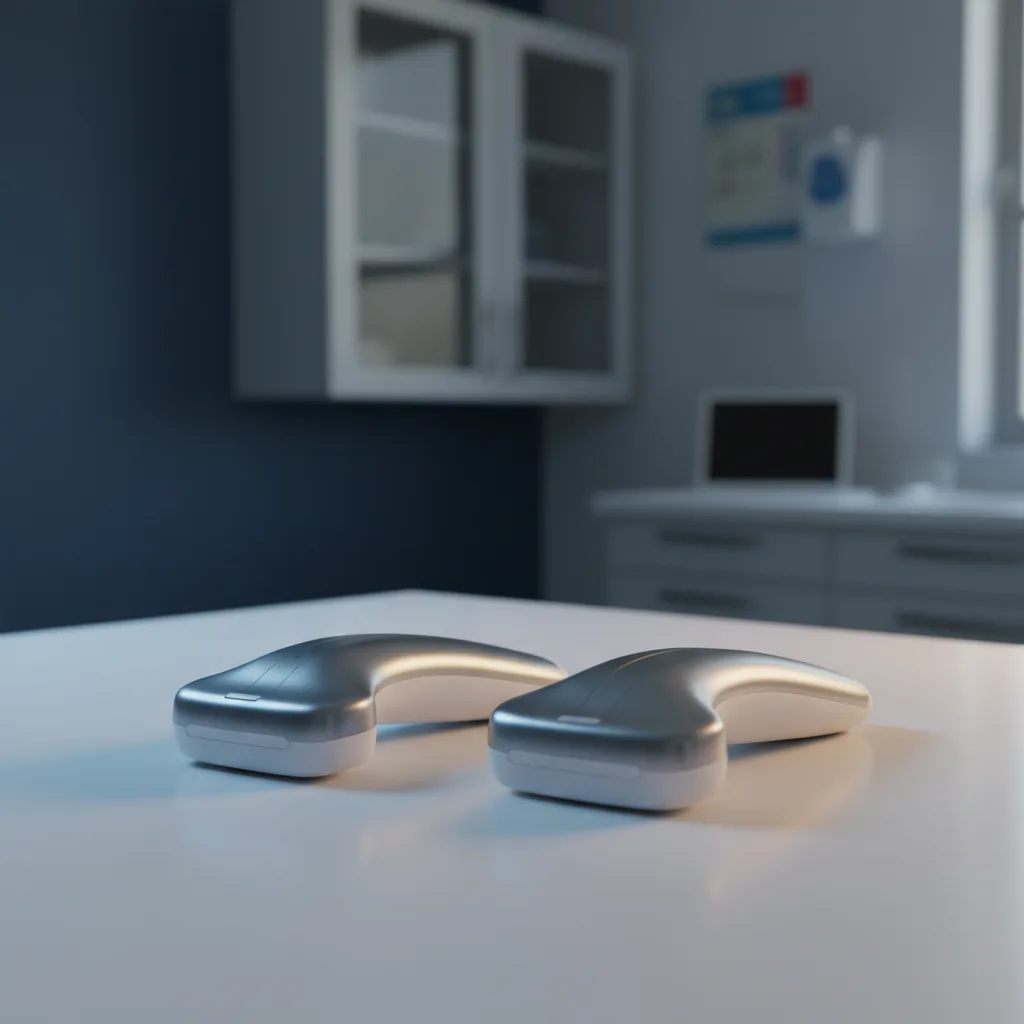
Ultrascan vs Clarius: Which Wireless Probe is Right for You?
A detailed comparison of Ultrascan and Clarius wireless ultrasound probes for SA practitioners.
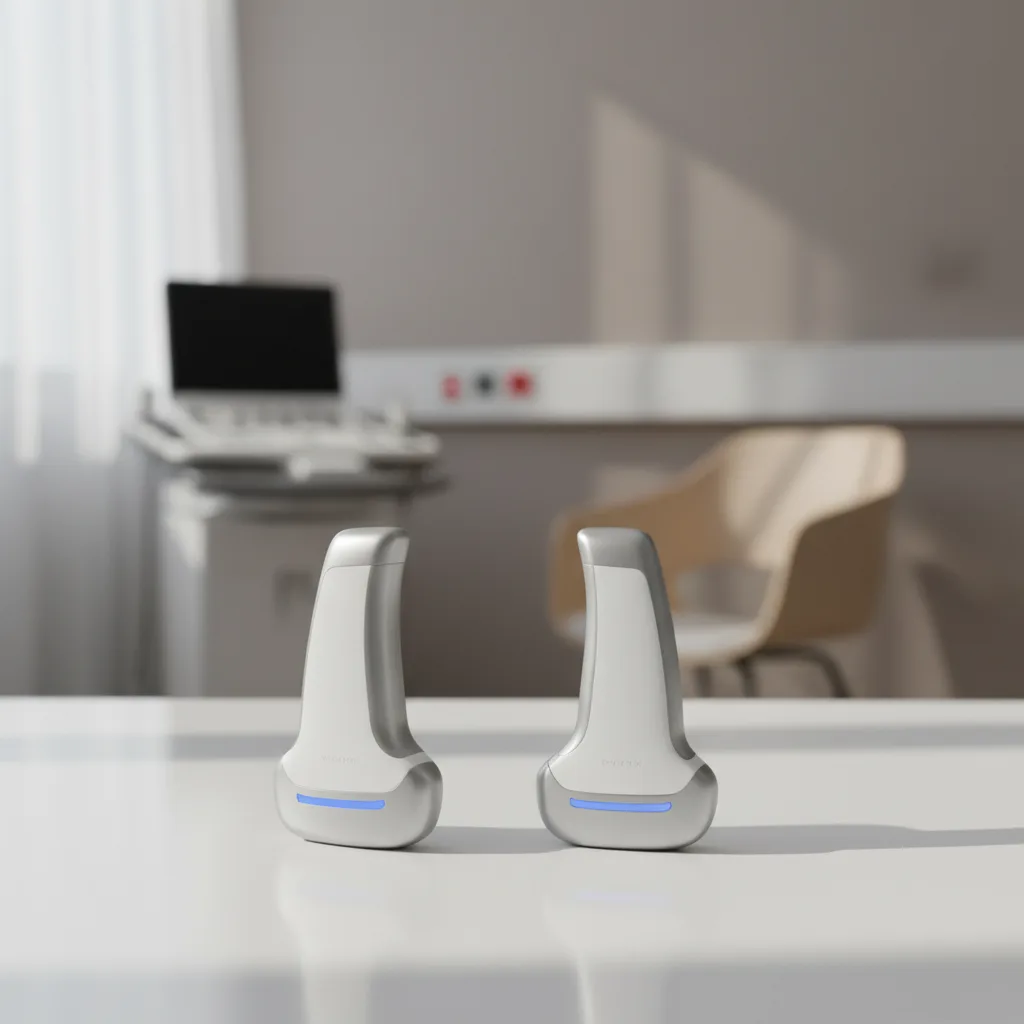
Ultrascan vs Butterfly Network: An Honest SA Comparison
Comparing Ultrascan and Butterfly Network devices on price, features, support, and suitability for South African clinicians.

Handheld Ultrasound in Veterinary Practice
Exploring the growing role of portable ultrasound in small and large animal veterinary medicine.

POCUS Governance: Training, Documentation and Quality Assurance
Building a sustainable POCUS program with proper governance, training standards, and quality review.

Handheld Ultrasound in Private Practice: Lowering the Barrier
How wireless POCUS devices are making ultrasound accessible for private practitioners.

Ultrasound-Guided Regional Anaesthesia: Why Visualization Matters
The case for ultrasound guidance in nerve blocks and regional anaesthesia techniques.

Bedside Cardiac Ultrasound: What Handheld Can and Cannot Tell You
Realistic expectations for focused cardiac ultrasound with handheld devices.

Practical Guide to FAST and eFAST with Handheld Ultrasound
Step-by-step guide to performing FAST and extended FAST assessments using portable ultrasound.

Ultrasound-Guided Vascular Access: Where It Adds Value
Evidence-based review of ultrasound guidance for peripheral and central vascular access.

POCUS in Anaesthesia: Vascular, Gastric, Lung and Cardiac
A focused review of point-of-care ultrasound applications in anaesthesia practice.

Handheld vs Cart-Based Ultrasound: An Honest Comparison
A balanced look at where handheld ultrasound excels and where cart-based systems remain stronger.
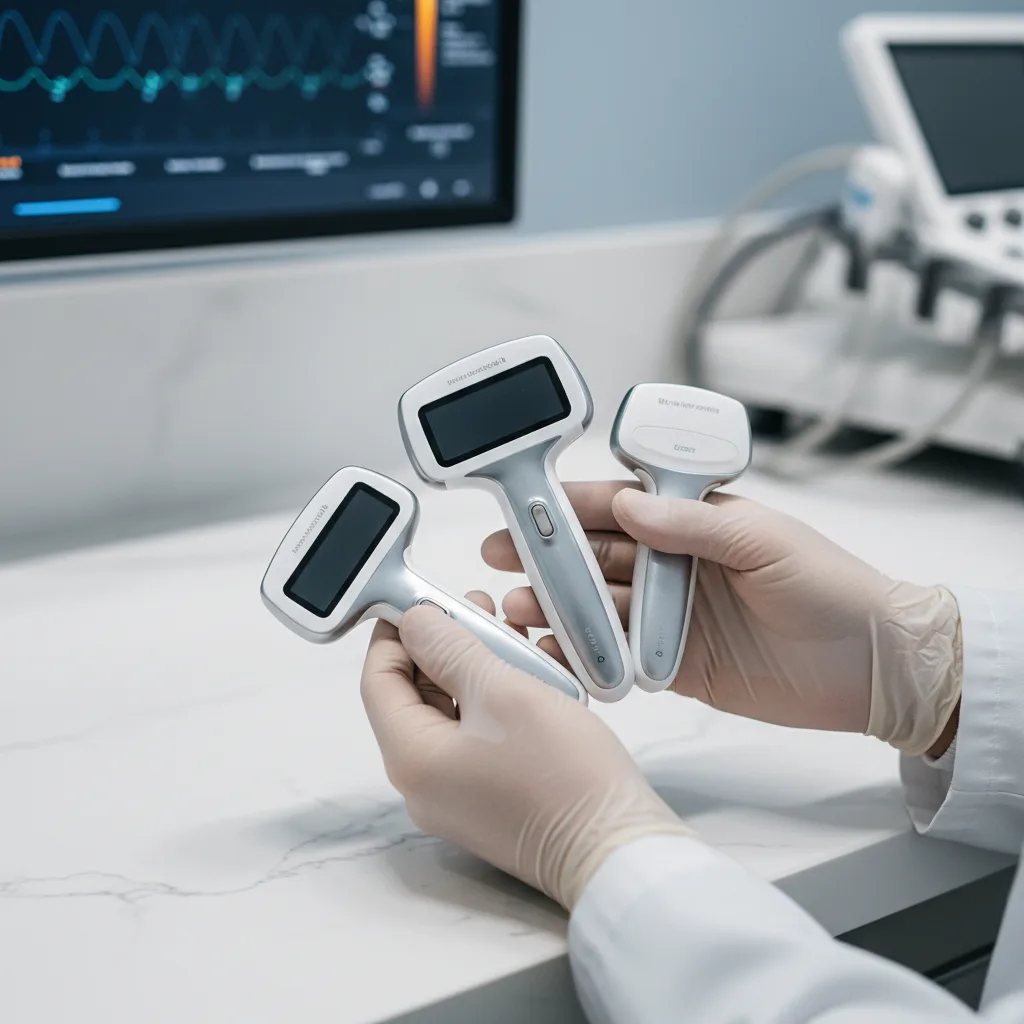
How to Choose the Right Wireless Ultrasound Probe
A practical guide to selecting the right wireless probe for your clinical specialty and practice setting.

Point-of-Care Ultrasound in South African Practice
How POCUS is transforming clinical practice across South Africa, from rural clinics to urban emergency departments.